The Nobel Peace Prize is probably the most prestigious prize there is. It also differs from the Nobel Prizes for Medicine, Physics, Chemstry or Literature. All of these other prizes are meant to build a canon and to acknowledge past contributions to a field, often lifetime achievements. In contrast, the Nobel Peace Prize is not only the acknowledgement of past achievements, it is also a political intervention in ongoing crises and conflicts. It is meant to make a difference, to stabilize fragile peace settlements and to support those who work towards change.
The Nobel Peace Prize has an enormous impact on the recipient: it open doors, it can protect against government oppression in authoritarian regimes (although there is of course no guarantee), it draws attention to a cause, it increases donations for that cause and it can allow an NGO or an activist to continue their work.
A nomination for the Nobel Peace Prize can be a miniature version of all of this, and this is what we aim to achieve with making a nomination. And it works! I heard from nominees that the nomination led to additional donations, opened doors and strengthened their often difficult position.
According to the statutes of the Nobel Peace Prize Committee, university professors of social sciences are eligible to make a nomination. Since 2022, I have been inviting students to form an extracurricular working group to make a nomination. We study the history and politics of past nominations to get a better understanding of how the prize works. We discuss our ideas of peace and develop our own set of criteria for a nomination. We start from a longlist and arrive at an actual nomination, based on background research and interviews with candidates.
Thus far, every year has had its own dynamics, but in every year, the suggestion for the nomination came from one of the students. This is what I enjoy most: learning from our students how they think about peace and peace-building.
In the last two years, Marije Luitjens and John Hogan joined me in running the working groups.
2026
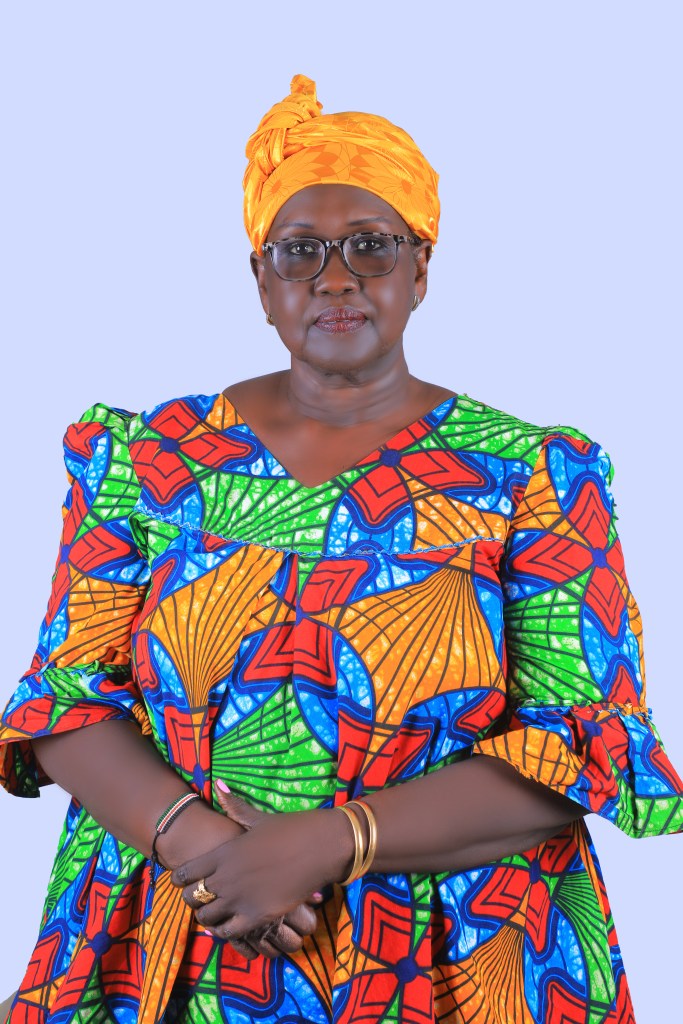
In January 2026 we nominated Alokiir Malual for the Nobel Peace Prize for her efforts to promote peace and women’s leadership in South Sudan.
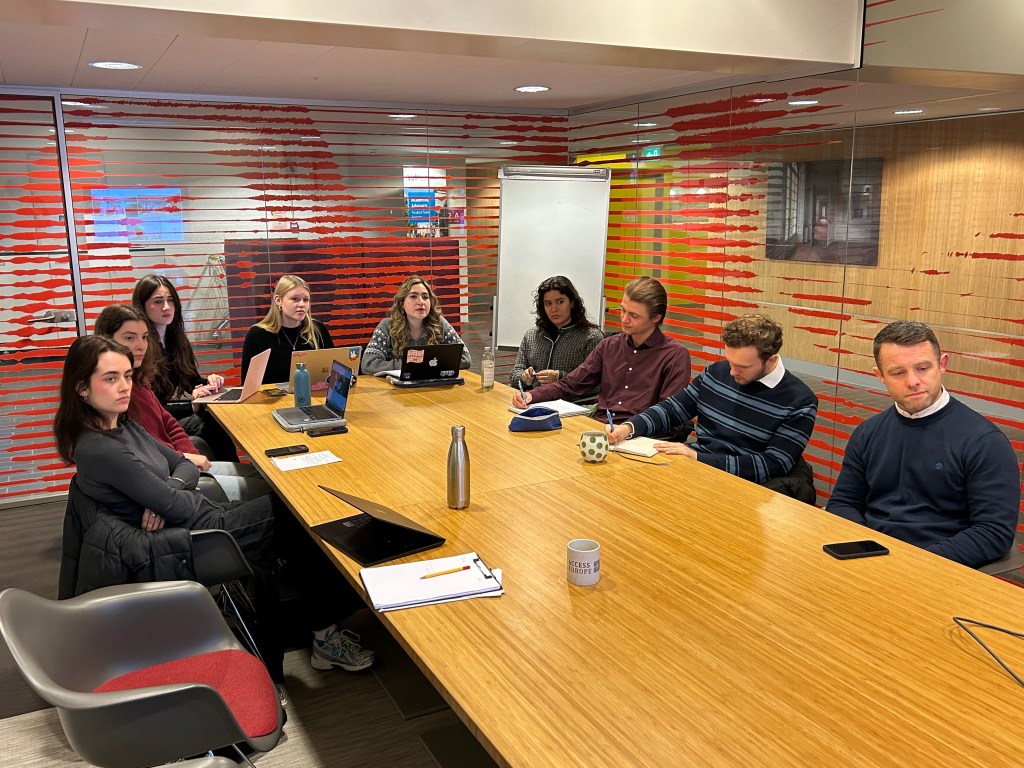
The group that made the nomination for 2026 was chaired by John Hogan. It was the largest group so far, including Grace Maresca, Oliver Clemits, Maddox Jones, Marin Schaapman, Nicholas R.E. S., Laila Salarzai, Ingvild Iversen, Charlotte Velterop, Elisa Fischer, and Samuel Danielsson. One highlight was a video-call with one of the five members of the actual Nobel Peace Prize Committee, which helped us understand the way they make decisions.
But the main highlight was our video-call with Alokiir Malual. It was a privilege to talk and listen to such an inspiring woman and to learn about her work in South Sudan. The decision to nominate her was not difficult.
2025
2025 was a particular highlight because the founders and directors of the three NGOs that we nominated came to Amsterdam for a nomination ceremony – generously supported by our Faculty of Social Sciences.
We had a very moving ceremony with representatives of the three NGOs that we nominated: Reem Al-Hajajreh (Women of the Sun), Yael Braudo-Bahat (Women Wage Peace) and Hanna Assouline (Guerrieres de la Paix). The 2025 working group was a joint effort with my colleagues Marije Luitjens and John Hogan. The group further consisted of Anna Michel, Jip Aukes, Dominique Massyn, Arina Matvieieva, and Fran Walsh.
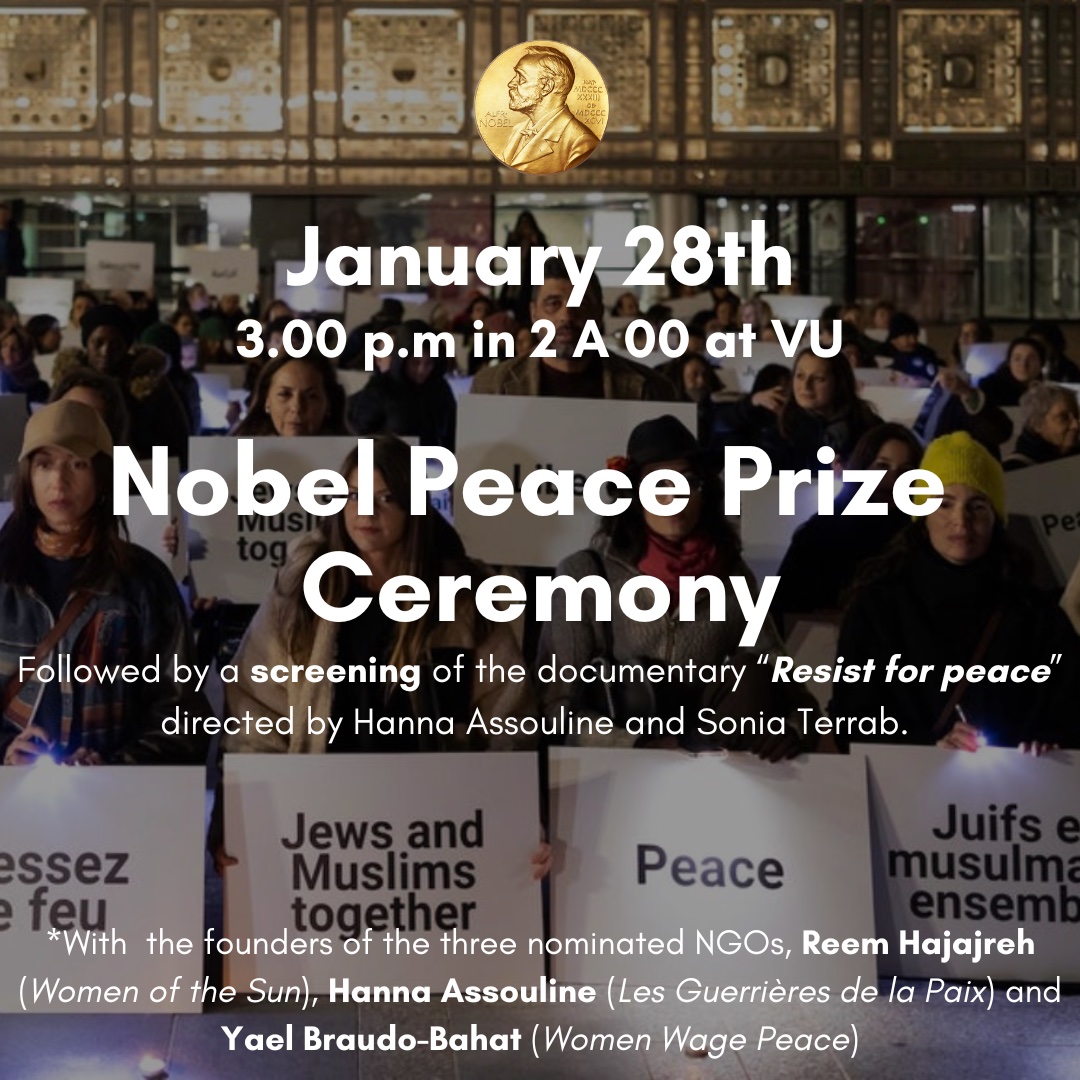
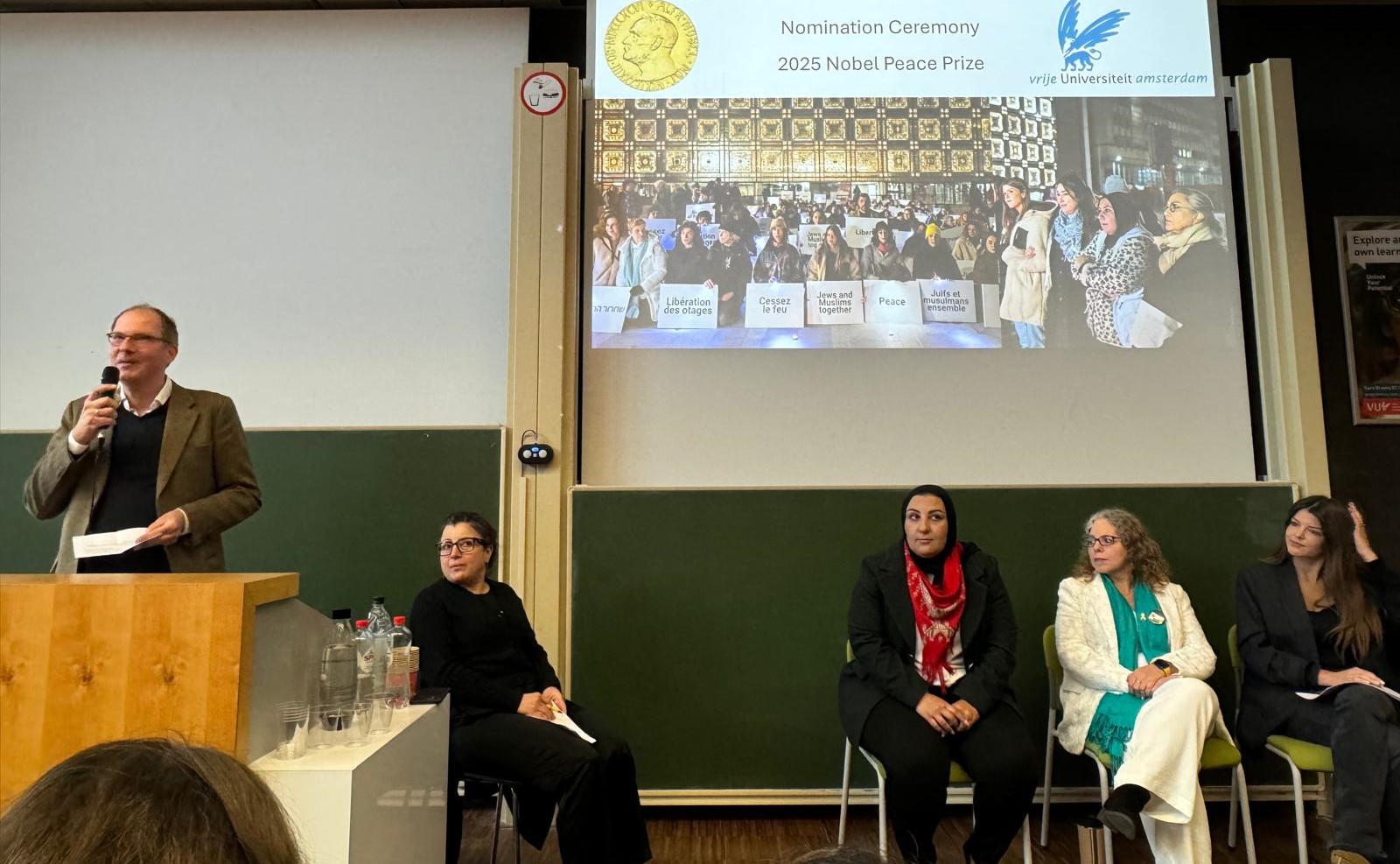
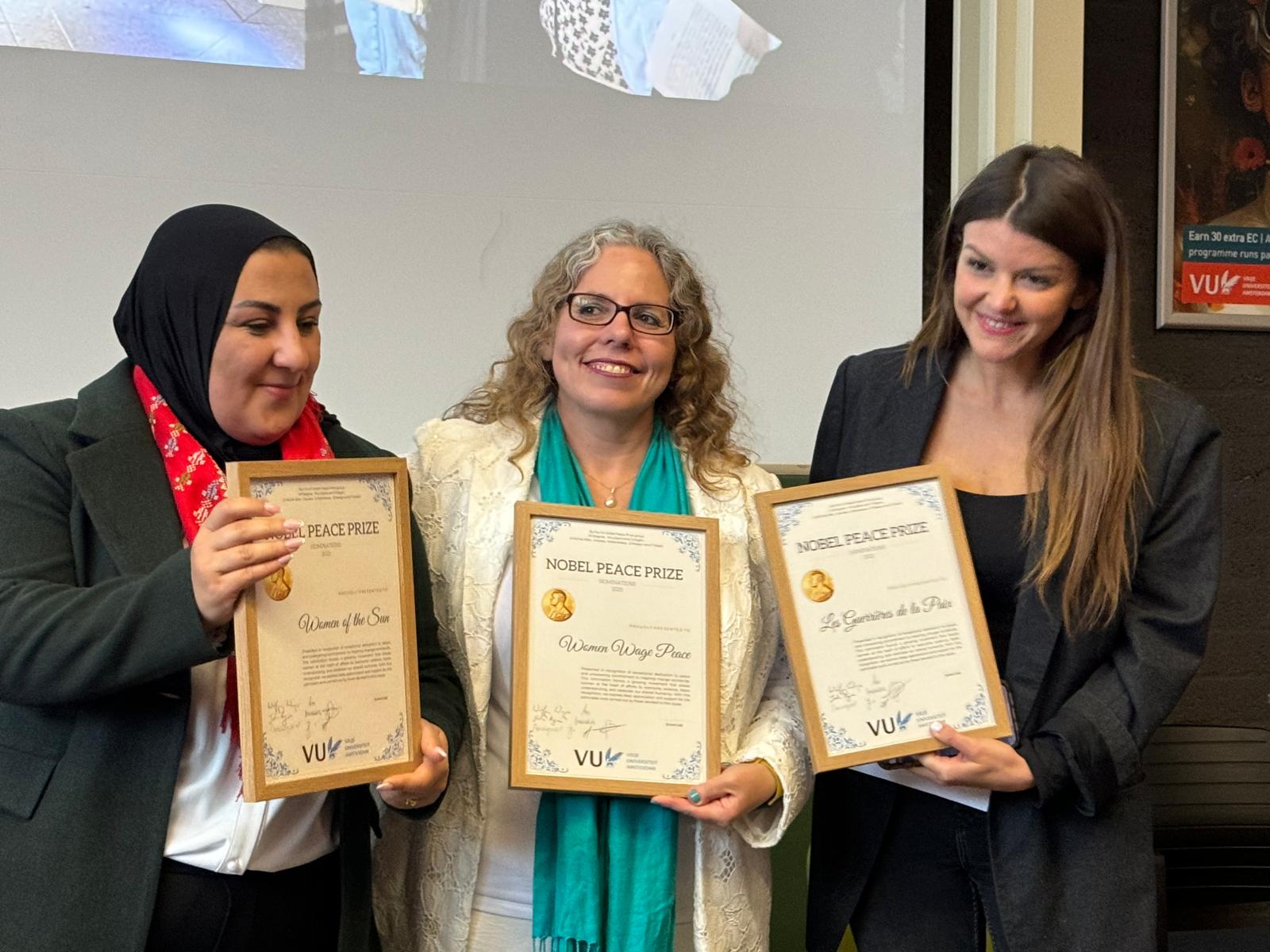

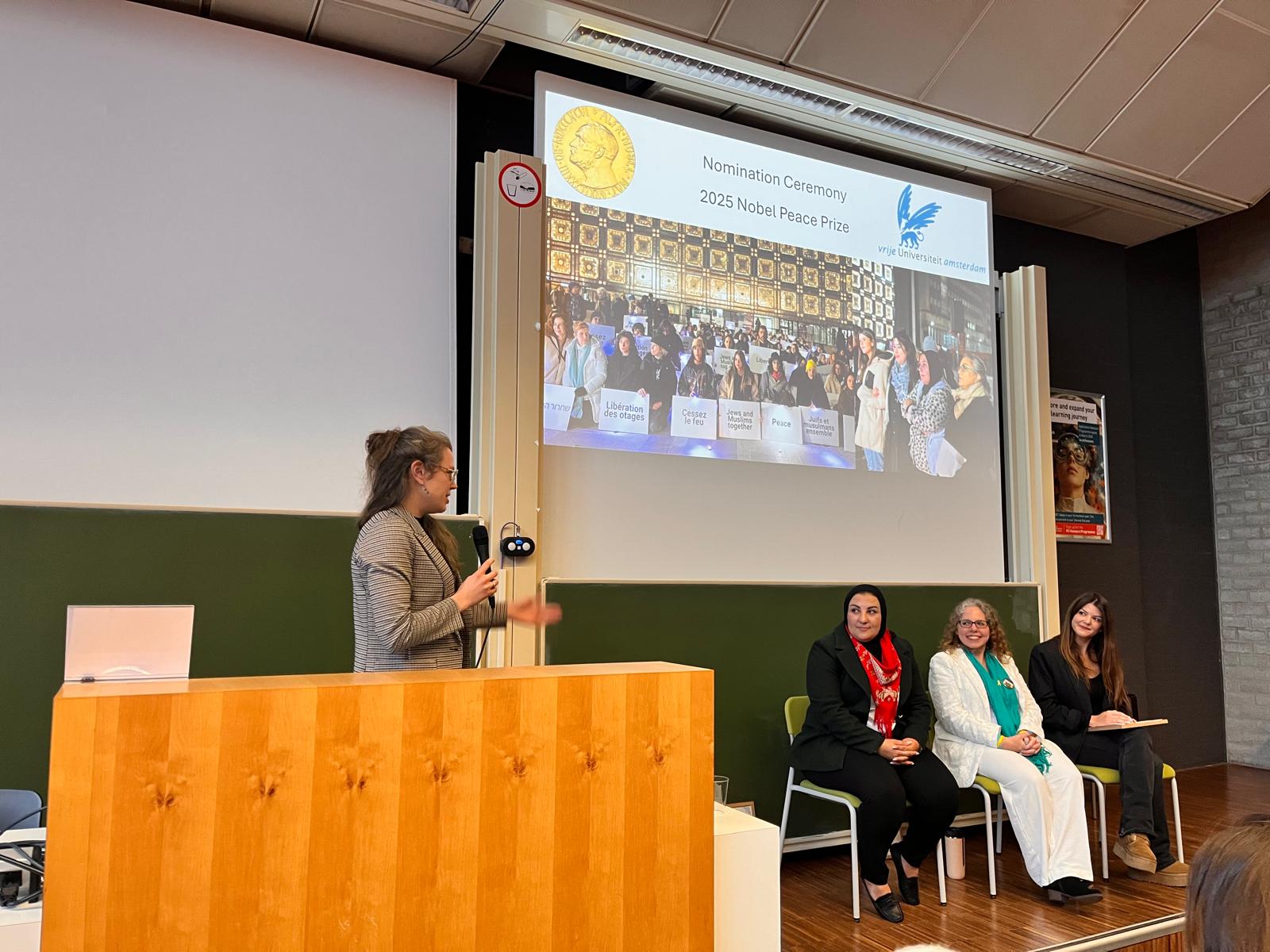
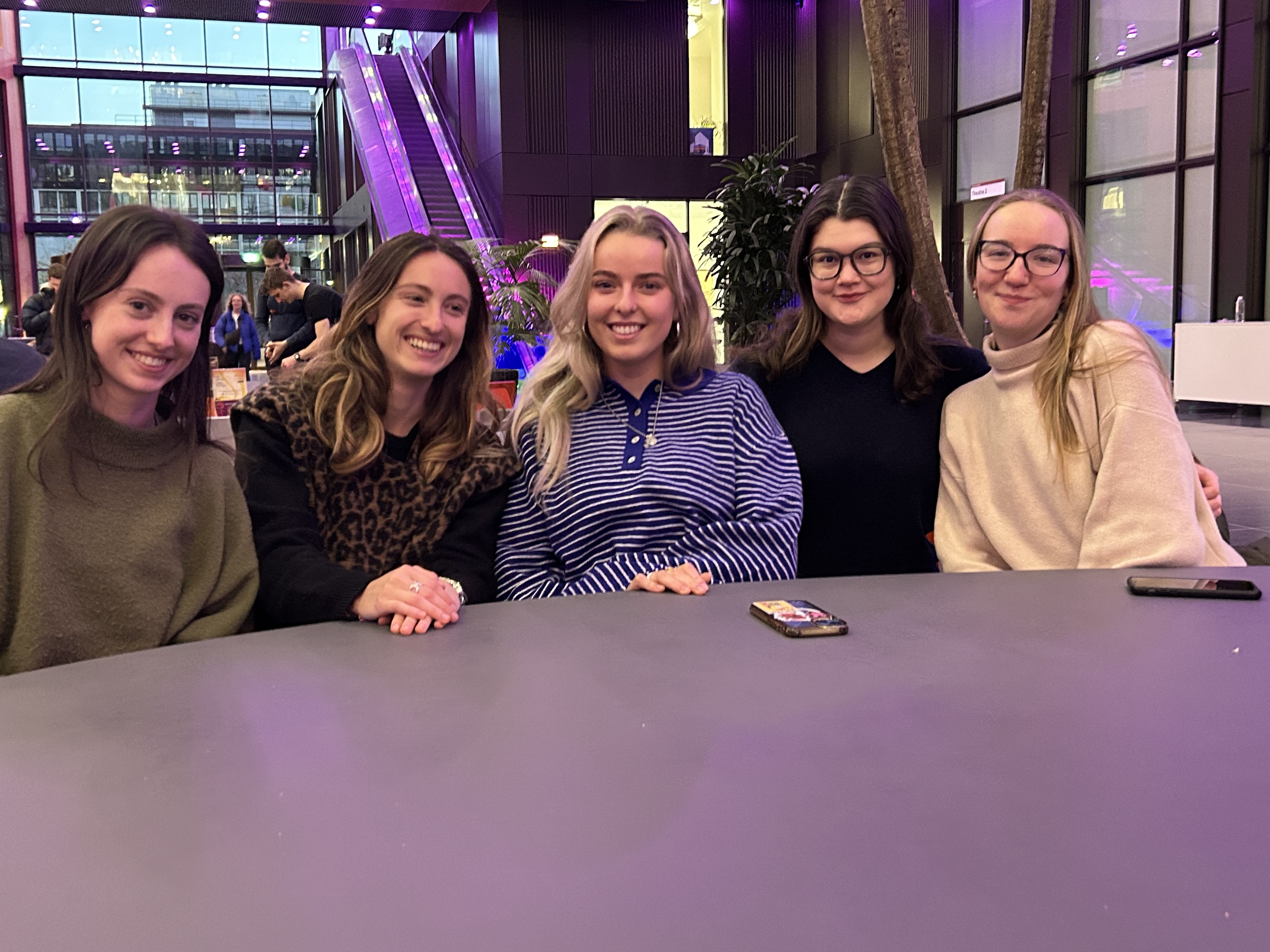

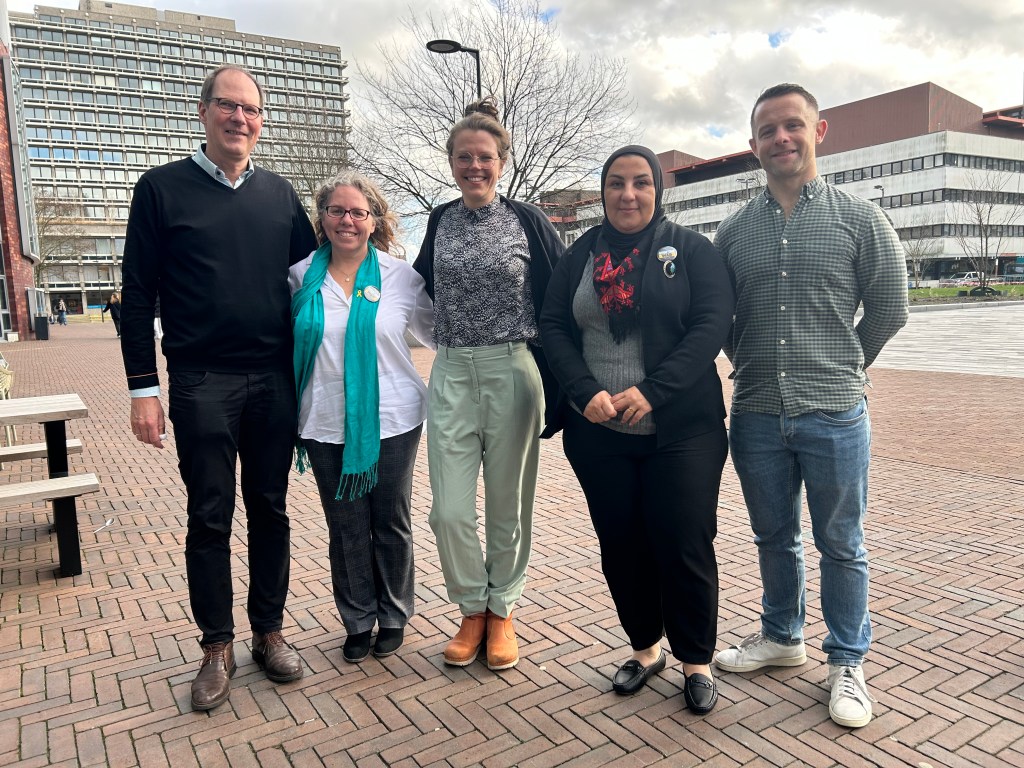
Nomination ceremony on 28 January 2025
Q&A after screening the movie ‘Resister pour la paix’, directed by Hanna Assouline and Sonia Terrab.
2024
In 2024, we had already nominated Women Wage Peace and Women of the Sun, together with EcoPeace Middle East. The 2024 group included Annelies Reefman, Paul Frigger, Melissa Gerritsen and Fabienne Blom.

2023
In 2023, I worked with Rogier Bakker and Helen Zotz, and we nominated the Organized Crime and Corruption Reporting Project.
2022
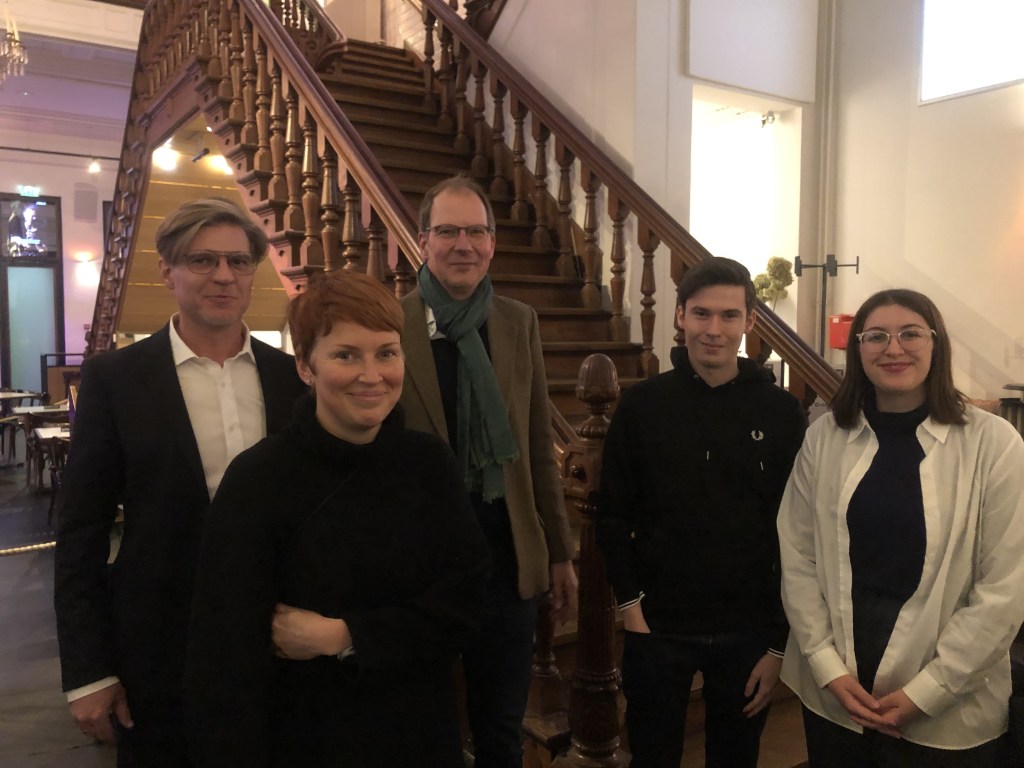
Our first nomination was the International Work Group for Indigenous Affairs in 2022. The group included Maximilian Merz, Florien Kits van Heijningen, Jari Tönjes, Jyot Arora, and Ciara Doherty.
 Wolfgang Wagner