Dutch Public Opinion on the Military and Defence in Comparative Perspective
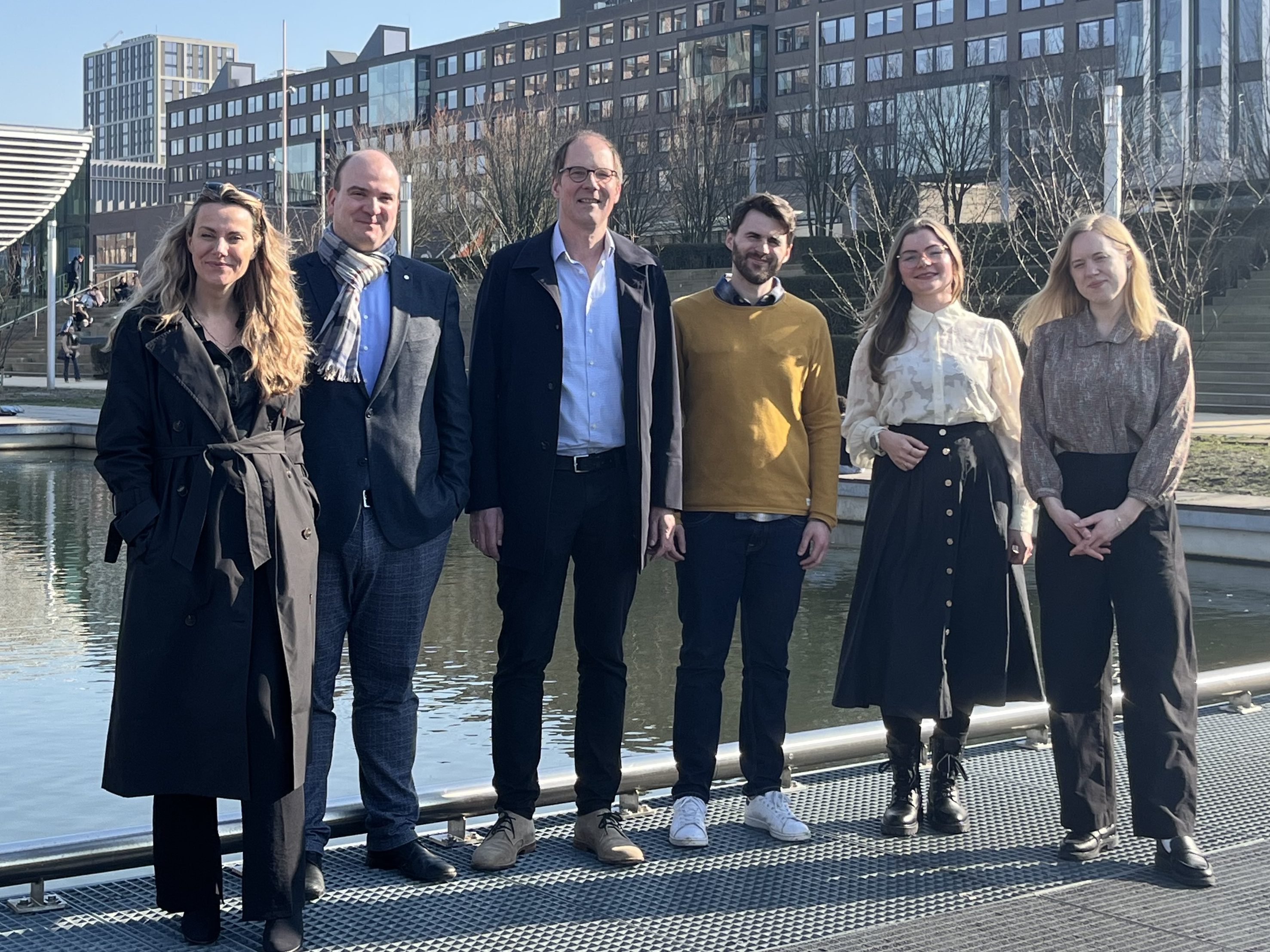
picture by Kathy Nguyen
This is a joint project with (from left to right:) Tine Molendijk (Dutch Defense Academy/Radboud Universiteit), Michal Onderco (Erasmus Universiteit Rotterdam), Francesco Baraldi (Vrije Universiteit Amsterdam), Tasja Sophia Müller (Erasmus Universiteit Rotterdam) and Nina Kaufman (Vrije Universiteit Amsterdam). In addition, we cooperate with Ainė Ramonaitė, the Dutch Stichting Vredeswetenschappen and the Parliamentary Assembly of NATO. The project is funded by the Nederlandse Organisatie voor Wetenschappelijk Onderzoek in the framework of the Nationale Wetenschapsagenda and supported by the Dutch Ministry of Defense. An abbridged version of our project proposal can be found here.
Project Summary
The overall objective of the project is to gain a deeper understanding of what citizens think about the military and security and defence policy and thus to better understand the societal context of the current transformation of the military and the policies on security and defence.
Our research builds on our previous NWA-project ‘Towards a New Belligerency?’ (see below). In this project we found that the available data are far from perfect to gain a deeper understanding of citizen attitudes towards the military and their own role in defence. The question in the World Values Survey that is at the center of our examination (‘Of course, we all hope that there will not be another war, but if it were to come to that, would you be willing to fight for your country?’) can be interpreted in too many ways to be a valid basis for a good understanding of citizens’ willingness to contribute to defense. From focus groups with students in Rotterdam and Amsterdam we understand that the aims of using military force, trust in the armed forces and one’s perceived position in society have a huge impact on the willingness to contribute to the defence of the country. A further differentiation between trust in the national military and in NATO as the de facto decision-making forum for the use of armed force seems also warranted and promising.
The focus groups were not representative of society, and we think that the findings can best be taken as a source of inspiration for additional in-depth research, which is the goal of this proposal. With this new research and with a new team of PIs, we want to gain an in-depth understanding of
- the motivations of citizens to contribute to their country’s defense by joining the armed forces or in other ways
- the attitudes of citizens towards the military, especially with a view to the military’s core mission, to the current transformation from interventionism to territorial defense, and to increased defense spending
- the role of gender in structuring citizens’ attitudes
- the impact of conflicts, such the Russian war against Ukraine and the war between Israel and Hamas on citizen attitudes towards the military, its mission, and their own role in security and defense
Our main focus in the Netherlands, but our approach is a comparative one, i.e. we are deeply convinced that findings about public opinion in other liberal democracies add a lot of value to understanding Dutch public opinion. We will therefore carry out surveys in the Netherlands, in Germany and in Lithuania. All three countries are members of NATO and the European Union, and they have all embarked on the transition from interventionism to territorial defense. Yet, the addition of the Lithuanian case helps us understand the impact of geography and historical legacies, as Lithuania borders on Russia’s Kaliningrad enclave, had been invaded by Russia and has a substantial Russian minority. Lithuanian society also differs from the Dutch and German ones in the level of wealth and the degree to which postmaterialist values are embraced.
Kickoff-event
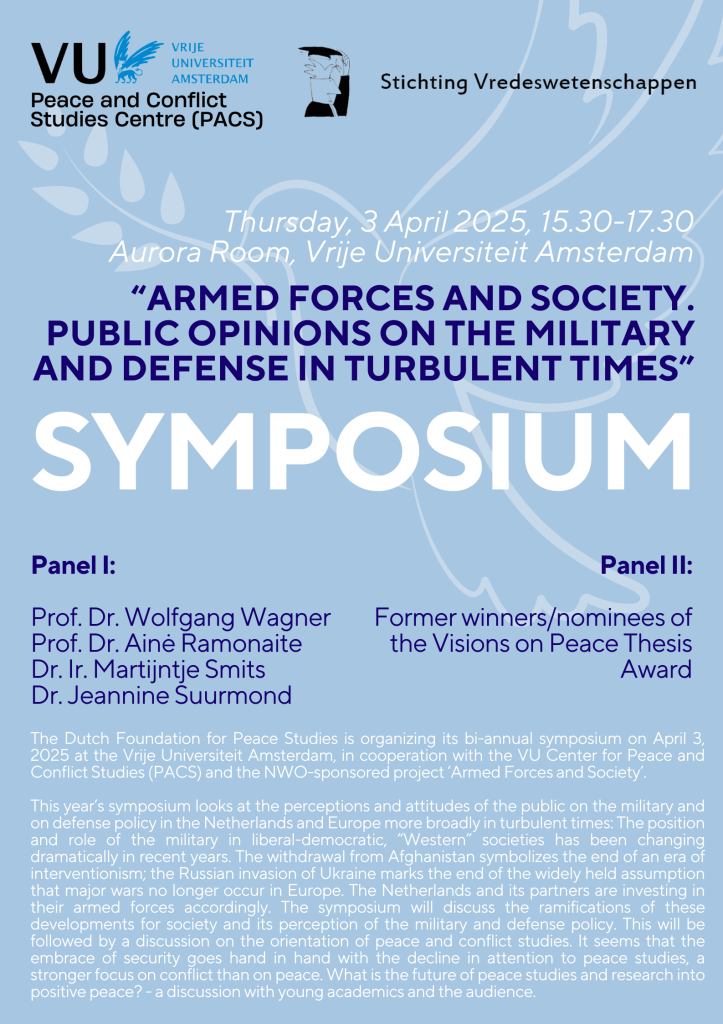
Together with our cooperation partner, the Stichting Vredeswetenchappen, we organize a symposium on the topic of “Armed Forces and Society” on 3 April 2025 at the Vrije Universiteit Amsterdam.
Outreach activities
Stimulating and contributing to public debate is an important part of our project. We therefore organize talks en debates at our universities.
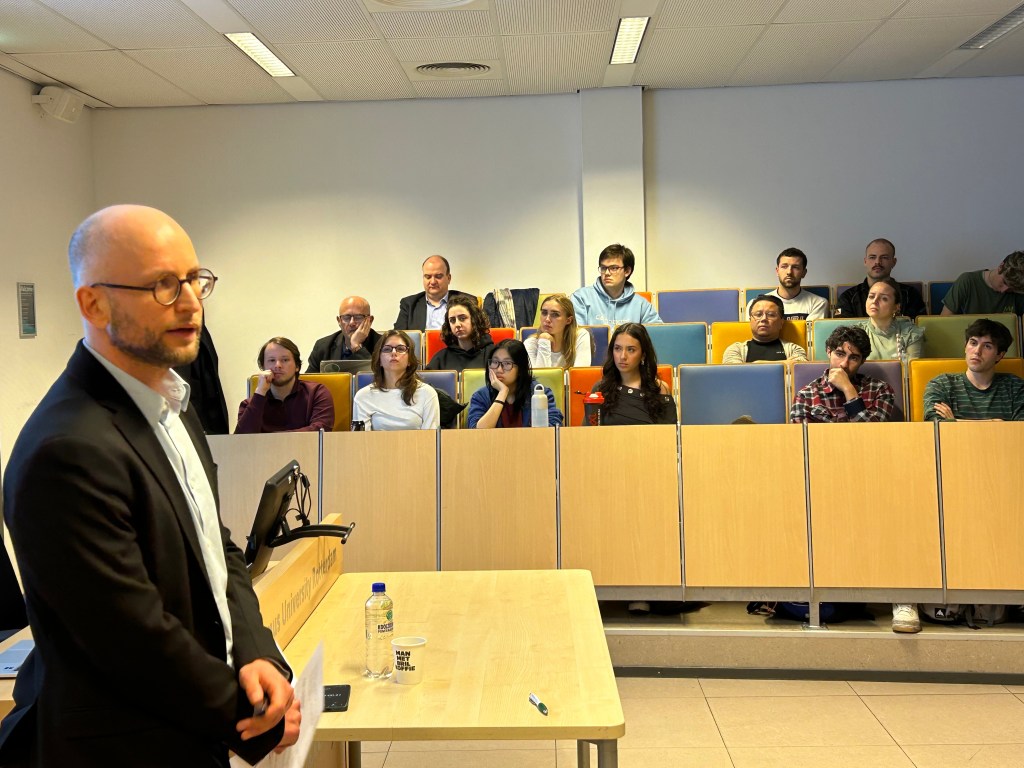
Sven Altenburger (Oxford) discussed conscription with students at Erasmus University Rotterdam on 3 March 2026.
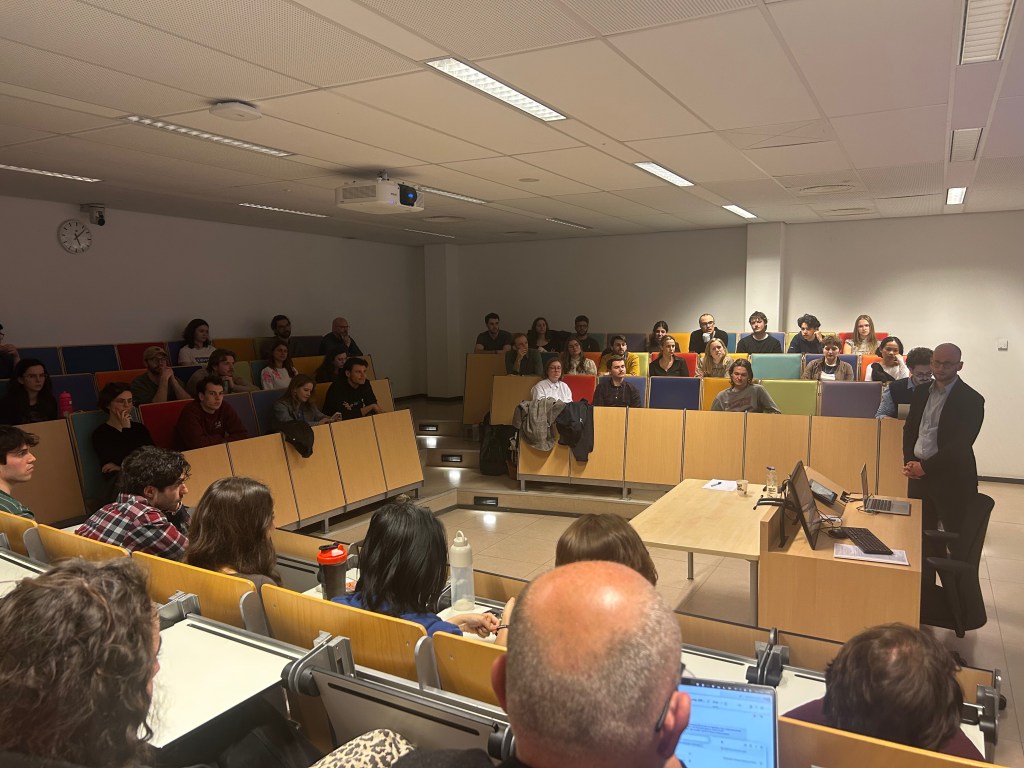
Does conscription align with our democratic values? What is its effect on civil-military relations? And does it, in fact, make militaries stronger?
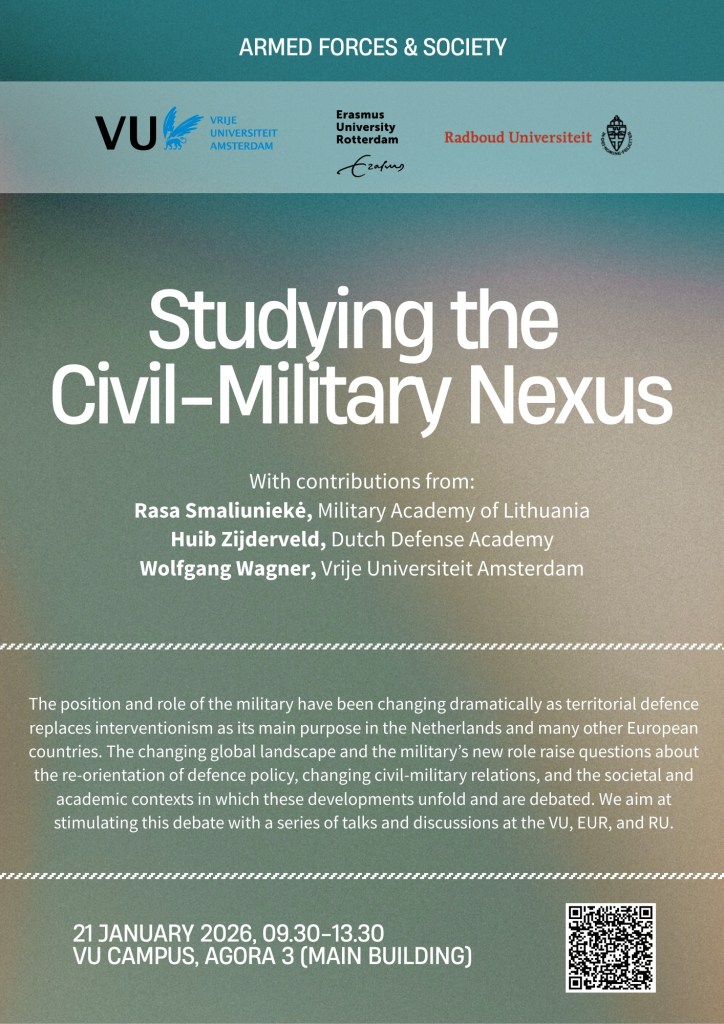
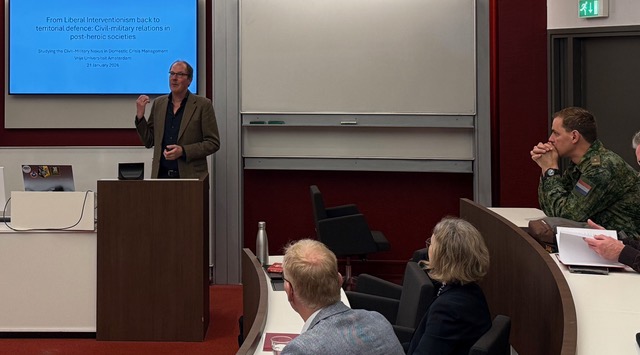
On 21 January 2026, I discussed the changing role of the armed forces at a symposium at the Vrije Universiteit Amsterdam with Huib Zijderveld, Rasa Smaliunieke, Kees Boersma, Jori Kalkman, and a mix of students and staff from our university and the Dutch Defense Academy.

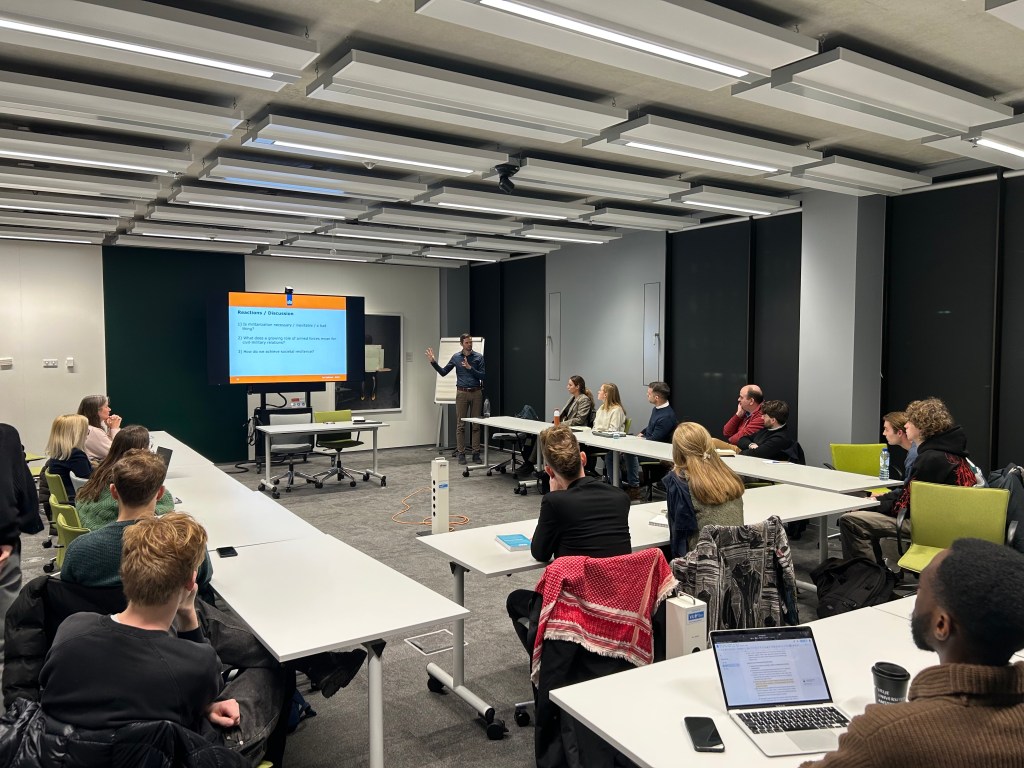
On 2 December 2025 dr. Jori Kalkman (Dutch Defense Acadey/Wageningen University) discussed the changing role of the armed forces with staff and students from VU and UvA.
Previous Work: Towards a New Belligerency?
The current project “Armed Forces and Society” builds on the project “Towards a New Belligerency? Explaining Changing Attitudes on the Willingness to Fight for one’s Country” which was also funded by the Dutch Research Council (NWO) as part of the National Science Agenda (NWA) in 2023/24.

We published our main findings in the European Journal of International Security. The article is open access and can be found here.
A very accessible version of our findings was published in the Clingendael Spectator.
For a Dutch summary of the project, see the report by science journalist Caroline Kraaijvanger in Scientias and the piece in sociale vraagstukken.
Our project was also covered in The Economist, De Limburger, Knack, and de Telegraaf.
On 11 January 2024, we discussed our findings with Ethan Corbin, PhD, NATO Parliamentary Assembly; Dr. Ingeborg Denissen, Deputy Director Security Policy, Dutch Ministry of Foreign Affairs; Prof. Isabelle Duyvesteyn, Leiden University; Dr. Tine Molendijk, Dutch Military Academy; and Prof. Lonneke Peperkamp, Dutch Military Academy.

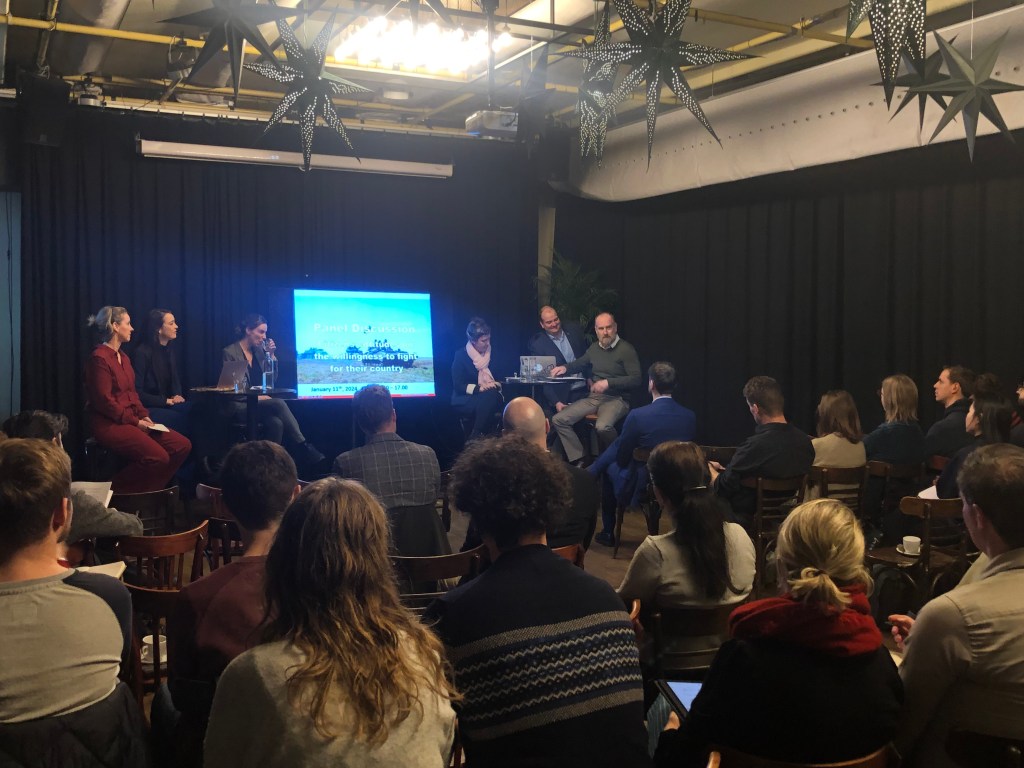


 Wolfgang Wagner